

Why User Experience Defines the Success of Your Blog
A blog is often seen as a platform for sharing ideas, expertise, or stories. But if you strip everything down to its core purpose, a blog exists to engage people. It is not enough to simply publish content and hope for attention. Readers today are impatient, selective, and overwhelmed with options. If your blog fails to meet their expectations within seconds, they will leave—and likely never return.
This is where user experience (UX) becomes the deciding factor. UX is not just about design or aesthetics; it is about how people feel when interacting with your content. It determines whether they stay, explore, trust, and eventually take action—whether that means subscribing, sharing, or becoming customers.
Creating a blog with excellent UX is not a one-time effort. It is an ongoing process of refining how your content is delivered, perceived, and consumed. When done right, it transforms casual visitors into loyal readers.
The Foundation: A Blog Is More Than Content
Many bloggers believe that great content alone guarantees success. While content is undeniably important, it is only one part of the equation. Even the most insightful article can fail if it is difficult to read, slow to load, or cluttered with distractions.
Think of your blog as an experience rather than a container for text. Every detail—from loading speed to typography—affects how users interact with your content. If the experience feels smooth and intuitive, readers will naturally stay longer and engage more deeply. If it feels frustrating or confusing, they will leave regardless of how valuable your content is.
Speed as the First Impression
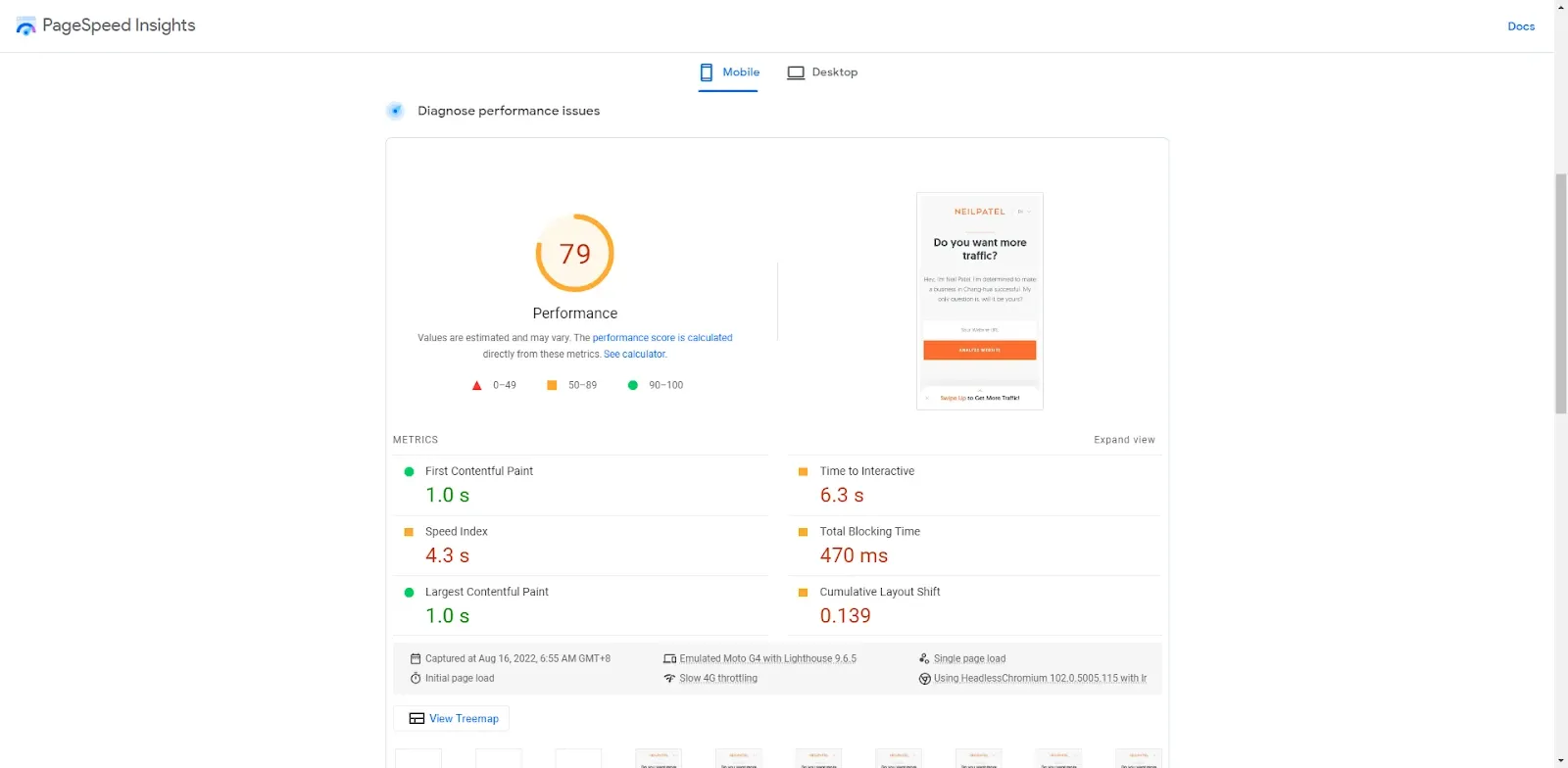
Before a reader even sees your words, they experience your blog’s speed. This is the first and most critical interaction. A slow-loading page creates immediate friction, and in many cases, users abandon the site before it fully loads.
Speed is no longer just a technical concern; it is a core component of UX and even a ranking factor in search engines. Fast-loading blogs not only perform better in search results but also create a sense of reliability and professionalism.
Improving speed requires attention to multiple elements—optimized images, efficient code, and stable page structure. When these elements work together, your blog feels responsive and effortless, which sets the tone for everything that follows.
Readability: Designing Content for Real Humans
Once your blog loads, the next challenge is keeping the reader engaged. This is where formatting becomes essential. People do not read online content the same way they read books. They scan, jump between sections, and look for signals that indicate value.
Long, dense paragraphs create resistance. In contrast, shorter sentences and well-structured paragraphs make content easier to digest. White space plays a crucial role here—it gives the eyes room to rest and helps readers focus on key ideas.
Typography also matters more than most bloggers realize. The choice of font, its size, and spacing can either enhance readability or make reading exhausting. A well-designed text layout feels invisible; it allows the content to shine without distraction.
Visual elements such as images and videos further enhance the reading experience. They break up text, illustrate concepts, and maintain attention. However, they must be used purposefully. Random or irrelevant visuals can dilute the message rather than strengthen it.
The Mobile Reality: Rethinking Layout Decisions
Modern blogging exists in a mobile-first world. The majority of users now access content through smartphones, which fundamentally changes how blogs should be designed.
Elements that work well on desktop—such as sidebars—often lose their effectiveness on smaller screens. On mobile devices, sidebars are pushed below the main content, making them less visible and less impactful. This shift forces bloggers to reconsider how they present additional information, links, and offers.
Instead of relying on separate sections, many successful blogs integrate important elements directly into the content flow. This ensures that readers encounter them naturally, without disrupting the reading experience.
Designing for mobile is not about shrinking a desktop layout—it is about rethinking the entire structure to match how people actually use their devices.
Simplicity and Focus: Eliminating Distractions
One of the most common mistakes in blogging is trying to do too much at once. Pop-ups, banners, multiple calls to action, and unrelated offers compete for attention. Instead of increasing engagement, they often create confusion and frustration.
When users visit your blog, they come with a specific goal—usually to find information. Anything that interrupts this goal weakens the experience. The more choices you present, the harder it becomes for users to decide what to do.
Simplicity is not about removing everything; it is about prioritizing what matters most. A clean, focused layout directs attention to your content and guides users toward meaningful actions without overwhelming them.
Writing with Intent: Giving Readers What They Actually Want
Even with perfect design and flawless performance, a blog cannot succeed if it fails to meet user expectations. Understanding what your audience is looking for is the foundation of effective content creation.
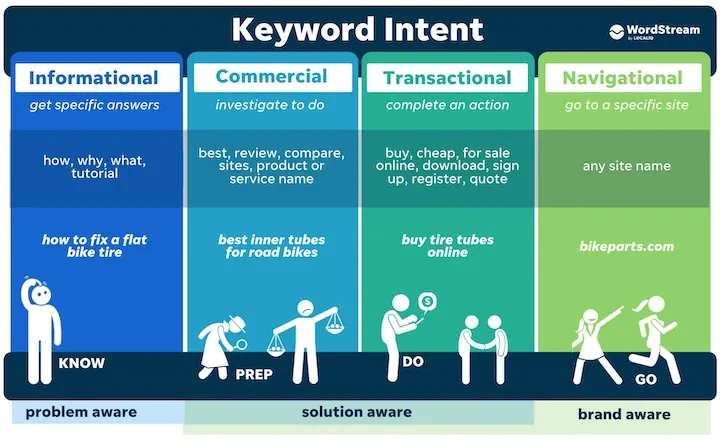
This is where user intent comes into play. Every search query reflects a specific need—whether it is learning something new, comparing options, or making a decision. Your content must align with that need.
For example, if readers are يبحث for practical advice, they expect clear, actionable insights. They are not interested in lengthy historical explanations or irrelevant background information. Delivering exactly what they need—and nothing they do not—is what keeps them engaged.
This approach requires discipline. It means resisting the urge to include unnecessary details and focusing instead on clarity and relevance. When readers feel that your content respects their time, they are far more likely to trust and return to your blog.
Learning from the Best: Inspiration from Leading UX Blogs
Some of the most successful blogs in the digital space demonstrate how powerful user experience can be when executed well. Platforms like Ahrefs and Unbounce combine high-quality content with clean, intuitive design, creating an environment where learning feels effortless.
Other platforms, such as Smashing Magazine and UX Collective, show the value of consistency and depth. Their extensive libraries of articles provide not only information but also a sense of authority and reliability.
What these examples have in common is not just good design, but intentional design. Every element serves a purpose, from layout to content structure. They do not overwhelm users with options; instead, they guide them through a carefully crafted experience.
Studying such blogs is not about copying their style but understanding the principles behind their success. These principles can then be adapted to fit your own goals and audience.
The Long-Term Perspective: UX as an Ongoing Process
Improving user experience is not a one-time task. It evolves alongside your blog, your audience, and the broader digital landscape. What works today may not work tomorrow, and staying relevant requires continuous adjustment.
This means paying attention to user behavior, testing new ideas, and being willing to refine your approach. It also means accepting that perfection is not the goal—progress is.
A blog with great UX is never “finished.” It is constantly improving, adapting, and responding to the needs of its readers.
Conclusion: Build for People, Not Just Platforms
At its heart, user experience is about empathy. It is about understanding how people think, what they need, and how they interact with digital content. When you design your blog with this mindset, every decision becomes clearer.
Focus on speed, clarity, simplicity, and relevance. Remove what does not serve your readers. Deliver what they came for—and do it better than they expect.
If you commit to this approach, your blog will not just attract visitors. It will keep them, engage them, and turn them into something far more valuable: a loyal audience.